M5Stack Stamp-P4
ESP32-P4 on a stamp-sized module. Fast enough for the native 3D renderer, with the I/O to drive a screen, microSD and a full set of controls.

Legit Circuits is where I design pocket game consoles, music players and the boards inside them, from the first KiCad sketch to a printed shell in your hand. Every build is documented, and the good ones are headed for the shop.
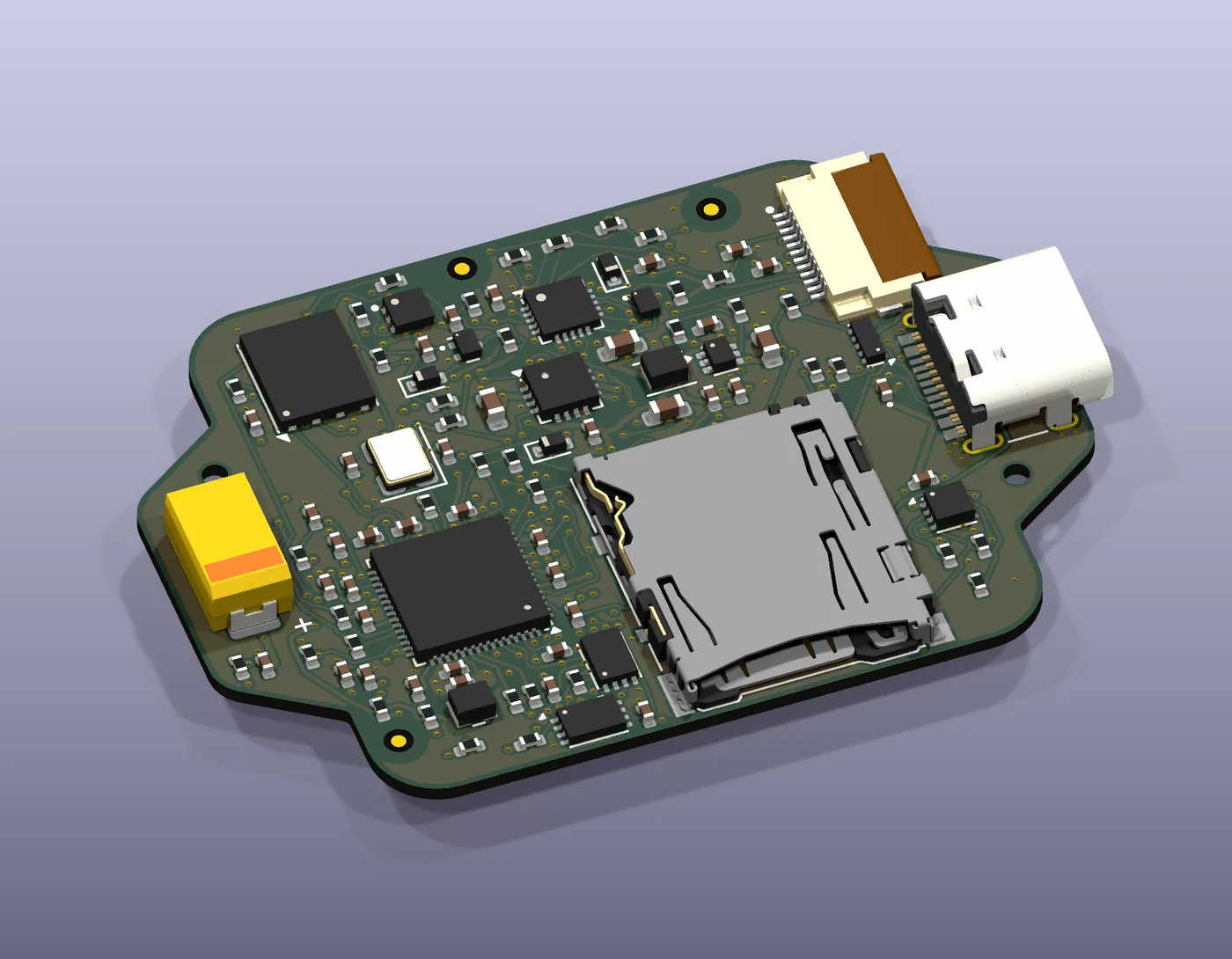
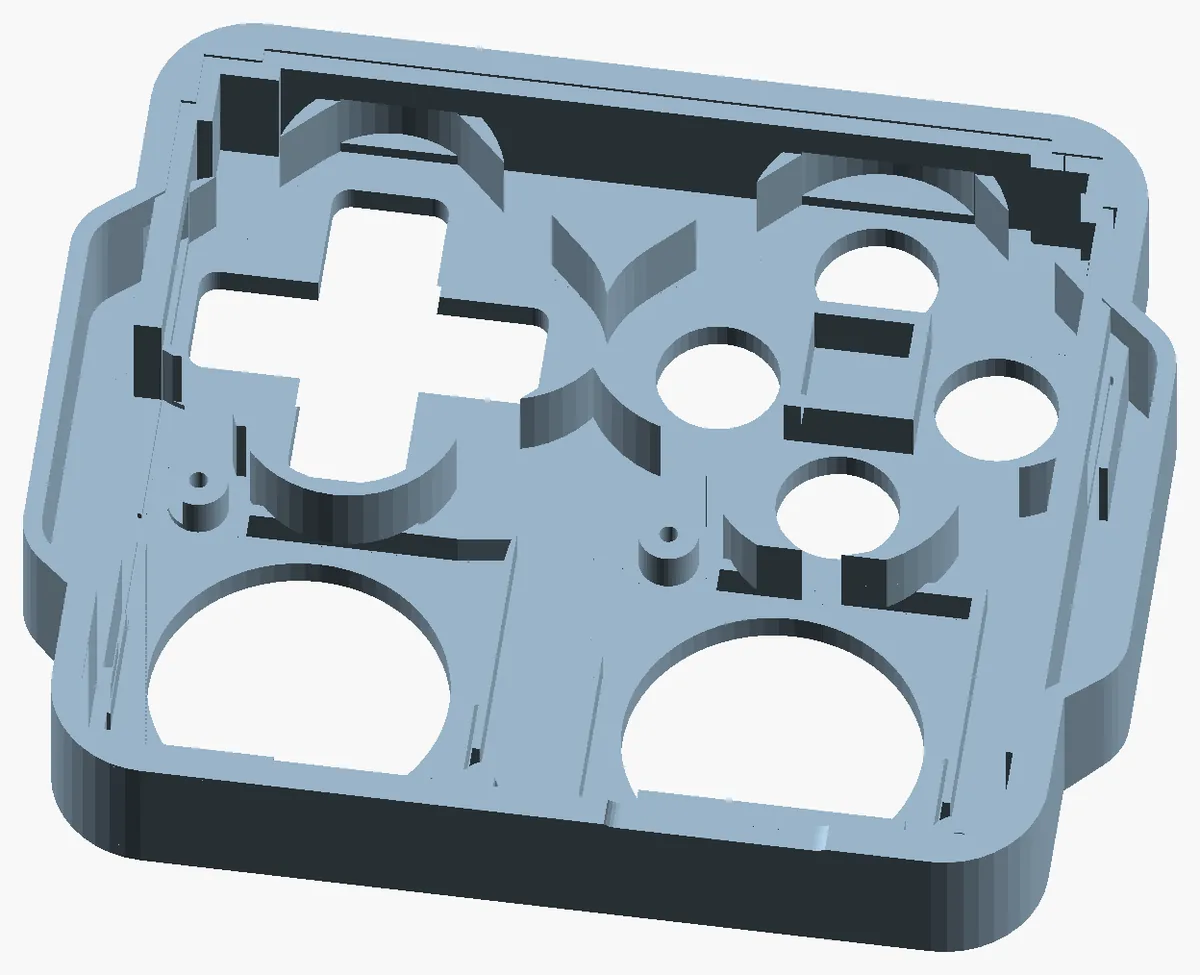
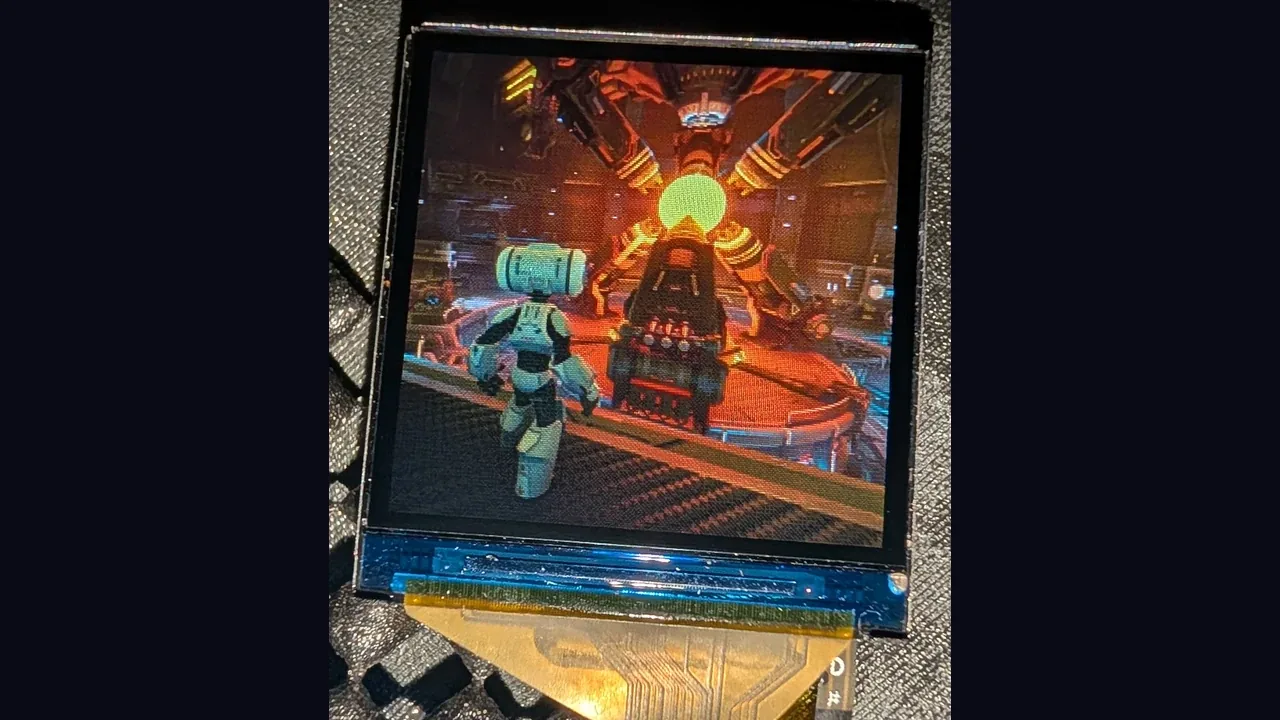
A pocket game console that runs Legitsauce games natively, not in a browser tab. It's built around an ESP32-P4 with a square 1.3-inch screen, and the controller shell is designed in CAD and 3D printed here.
Renders straight out of KiCad and OpenSCAD, next to the real boards and prints on the bench.
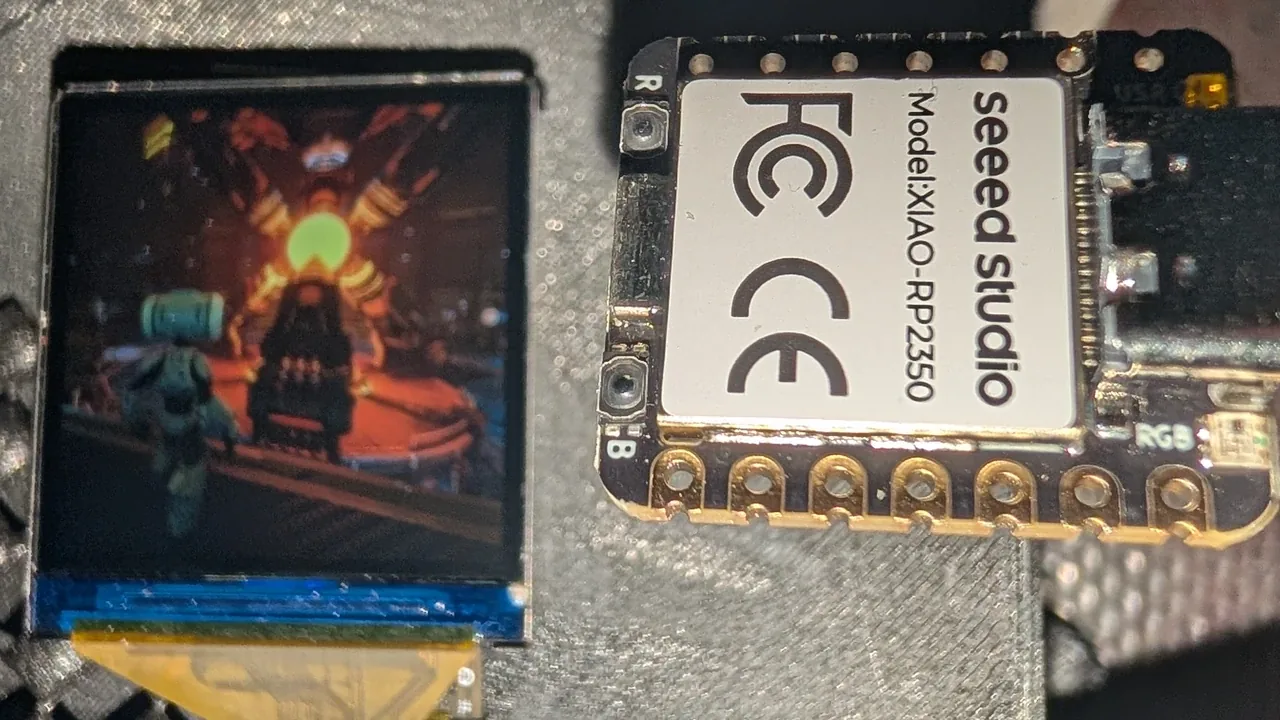
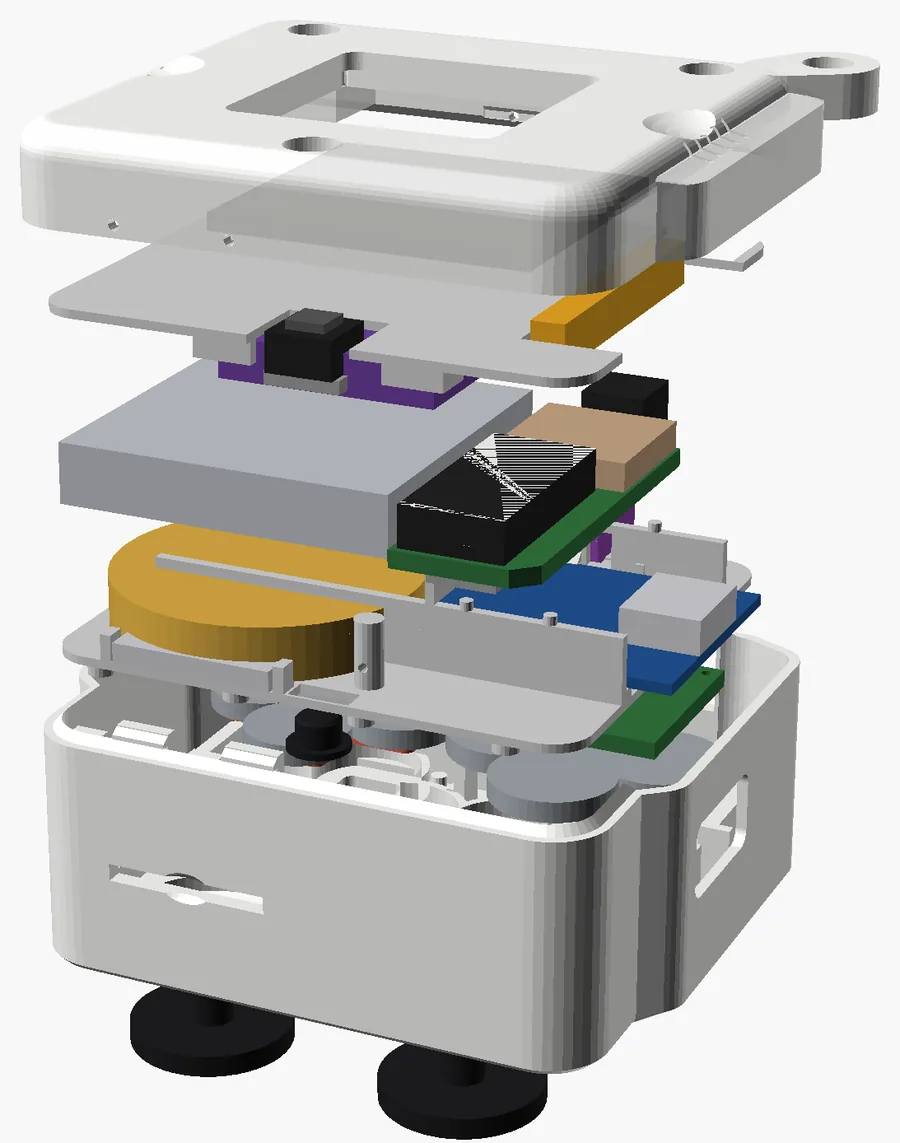
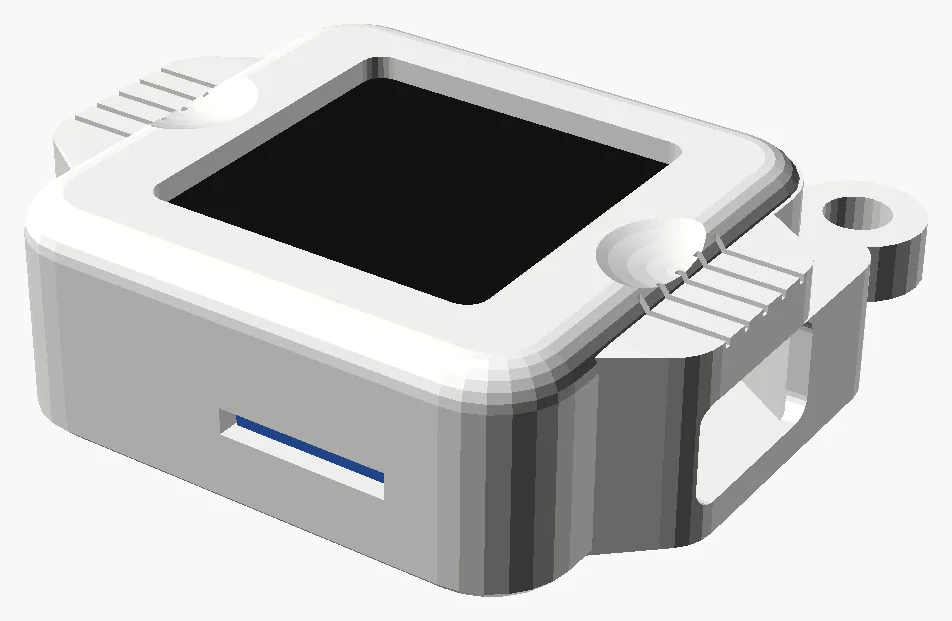
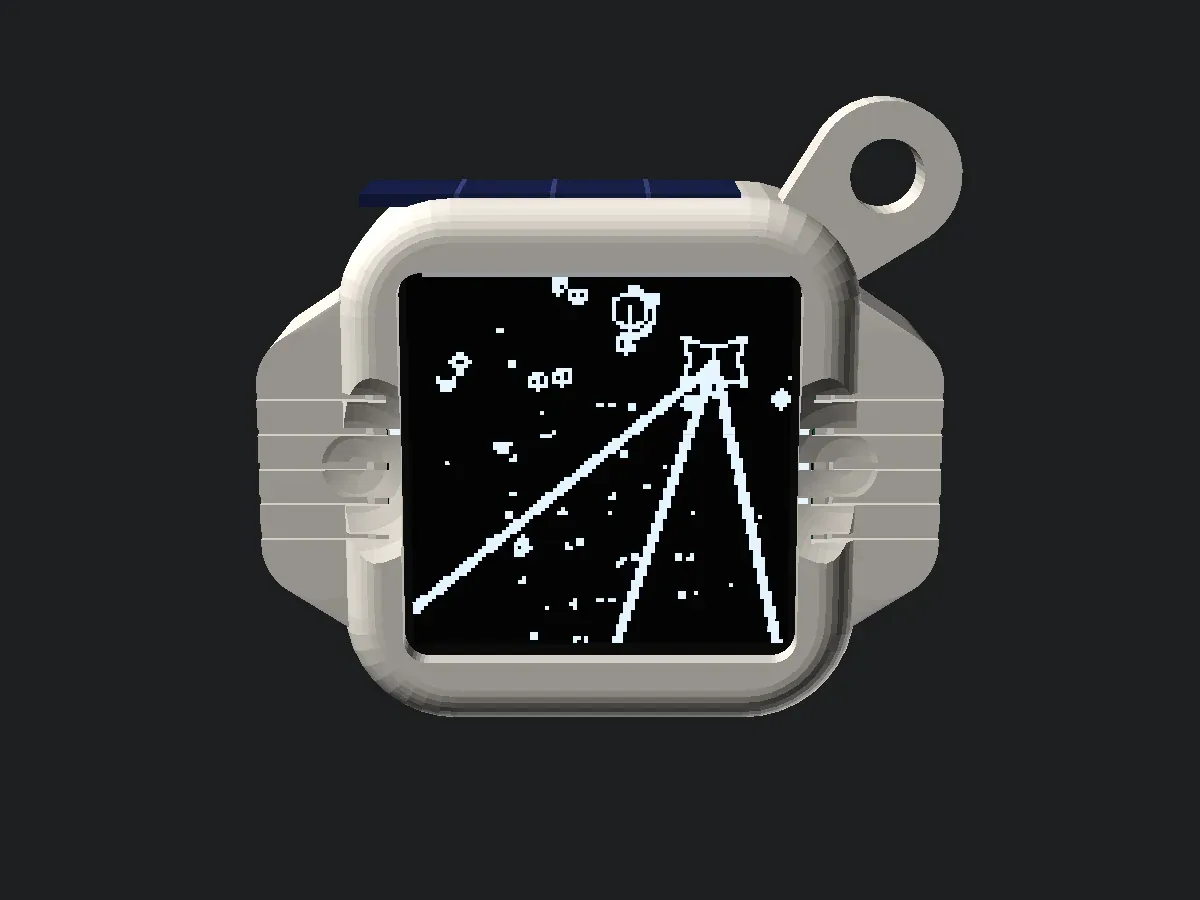
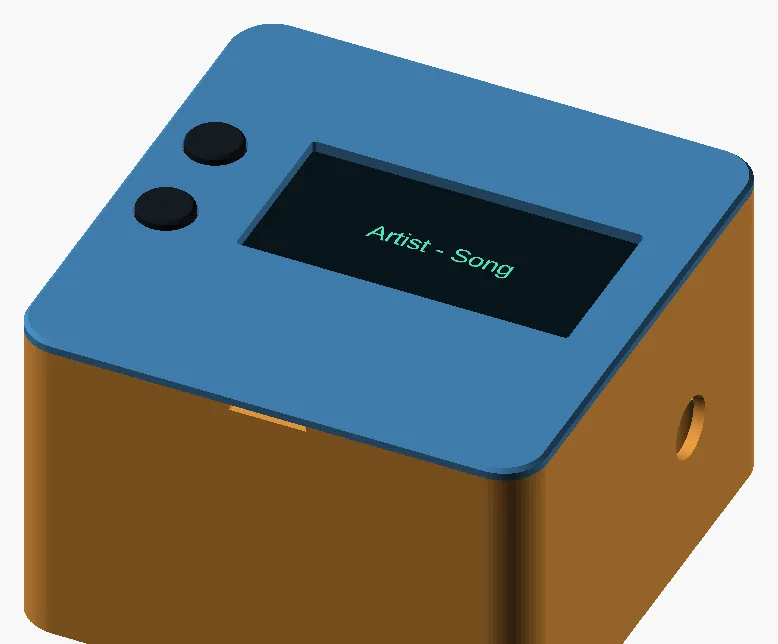
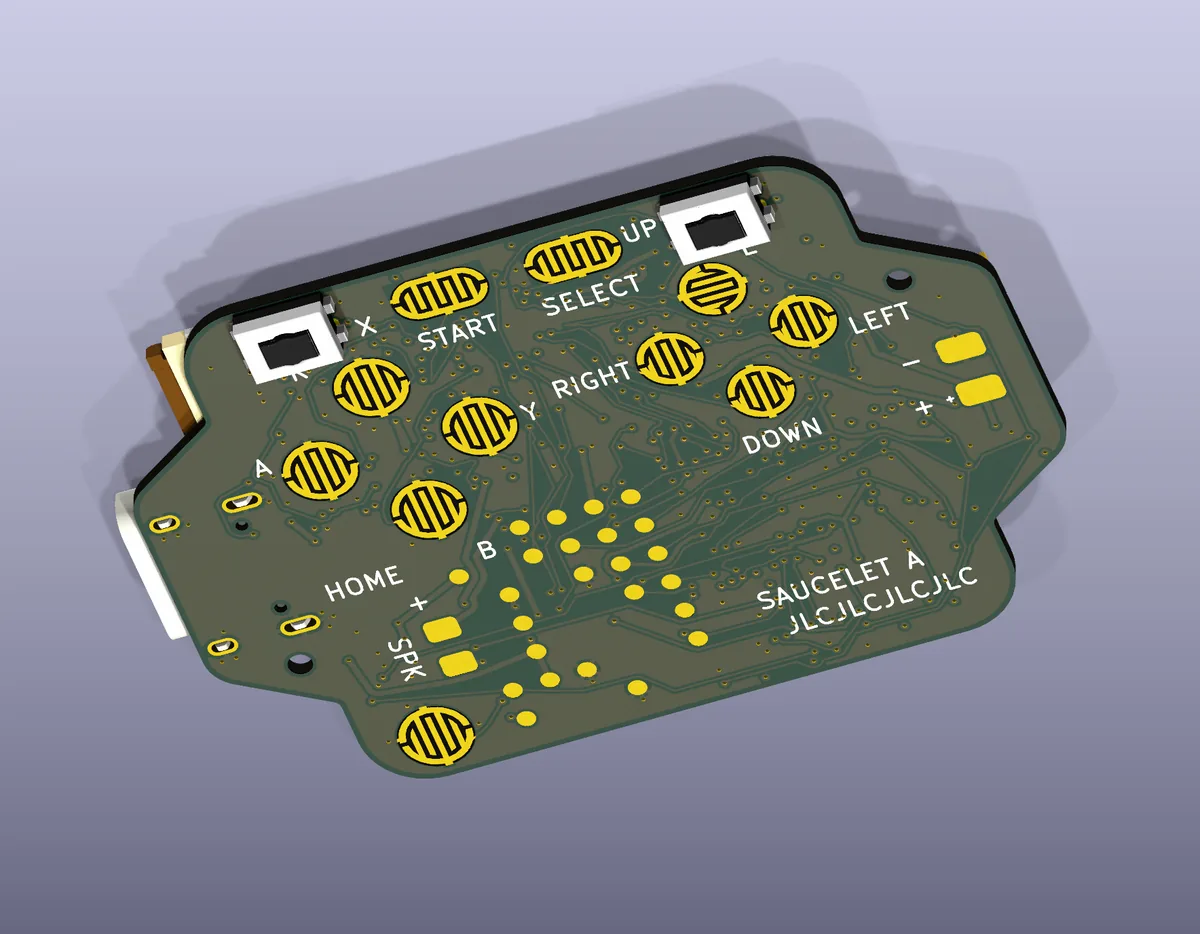
No mystery silicon. Every build uses chips and modules you can order today, so anything you see here is something you could build too.
ESP32-P4 on a stamp-sized module. Fast enough for the native 3D renderer, with the I/O to drive a screen, microSD and a full set of controls.
Thumbnail-sized dual-core board. It drew the first native frames on the 1.3-inch screen and is the heart of the keychain console design.
Wi-Fi in a tiny board. It streams MP3s from a home Navidrome server and decodes them on the chip, with no phone involved.
A 32-bit I²S stereo DAC that turns decoded samples into a clean line-level signal with almost no extra parts.
A crisp monochrome I²C panel for song titles and menus. The player's firmware re-checks it every few seconds, so it recovers by itself after a power glitch.
A square full-colour panel on a thin ribbon. Small enough for a keychain and sharp enough to show a 3D scene.
Two buttons, a tiny OLED and a thumb-sized Wi-Fi board that streams and decodes MP3s from my home server, with no phone in the loop.
Read more →When a build is solid enough to hand to someone else, it goes in the shop as a kit, a bare board or a printed shell. Nothing is for sale yet. Email me if you want to hear first.
